
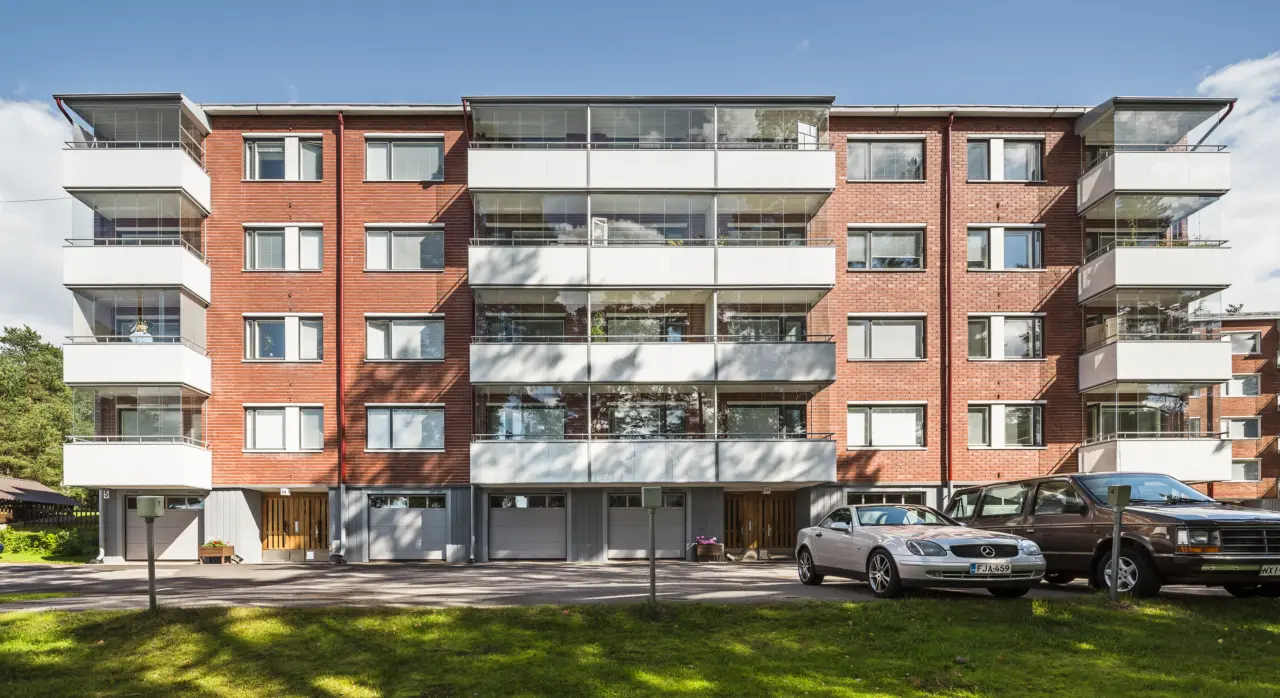
Balcony Maintenance & Lifecycle Costs: What Property Managers Should Plan For
Balconies are often viewed as an amenity. For property managers, building owners, and asset managers, however, they are also building assets that require ongoing maintenance, inspection, and long-term capital planning.
The challenge is that balcony deterioration can begin long before it becomes clearly visible. Exposure to rain, snow, and repeated wetting can contribute to deterioration in concrete balcony structures. When repairs eventually become necessary, owners may be dealing not only with direct repair costs, but also resident disruption and unexpected pressure on capital budgets.
That is why balcony planning should not begin with the question “What will this repair cost“, it should also ask, “How can we reduce the conditions that may contribute to future deterioration over time?”
This is where a preventive asset management approach becomes important.
Why Balcony Exposure Matters to Long-Term Capital Planning?
Canadian balconies are exposed to changing weather conditions throughout the year.
Moisture exposure is particularly important when looking at concrete durability. When susceptible concrete becomes sufficiently wet, repeated freezing and thawing can contribute to deterioration. The level of risk depends on factors including the amount of moisture present, concrete properties, local exposure conditions, and temperature changes.
Over time, this can contribute to:
- Increased maintenance requirements
- More frequent repairs
- Greater pressure on capital budgets, reserve funds, and future rehabilitation planning
- Reduced service life of affected building components
Property owners cannot control the weather. They can, however, evaluate ways to reduce ongoing exposure to the conditions that contribute to deterioration.
That changes the conversation from reacting to visible damage to considering how balcony assets are managed throughout their lifecycle. Learn more about how Lumon balcony glazing provides wind, rain and snow protection.

Repair Today. Protect for Tomorrow.
Balcony glazing should not be viewed as a replacement for necessary repairs.
A long-term balcony strategy begins by understanding the condition of the existing structure. Deterioration should be assessed, required repairs completed, and waterproofing and drainage properly maintained.
The next question is what can be done to reduce future weather exposure. A practical long-term asset management approach may include:
- Assessing the existing condition of the balcony
- Completing necessary structural or concrete repairs
- Maintaining appropriate waterproofing and drainage
- Evaluating opportunities to reduce future weather exposure
- Building ongoing inspection and maintenance into the capital plan
Repairing existing deterioration addresses today’s problem, while protection can become part of the strategy for managing tomorrow’s exposure.
Balcony glazing can help reduce exposure to rain, snow, and other weather conditions. When considered alongside necessary repairs and ongoing maintenance, it can form part of a broader balcony preservation strategy.
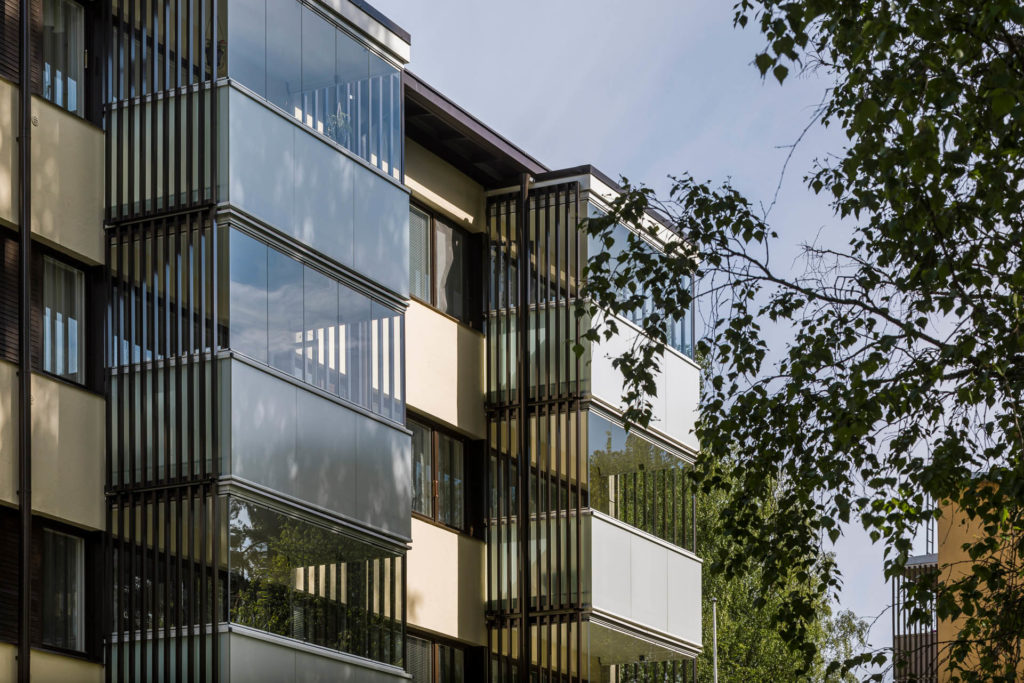
What Does Balcony Glazing Add to the Maintenance Plan?
Adding glazing does not make a balcony maintenance-free. Instead, it changes some of the items that property managers need to account for.
A glazed balcony system may require ongoing attention to items such as:
- Glass cleaning and inspection
- Track cleaning and inspection
- Hardware and roller inspection
- General system servicing
These activities should be incorporated into the building’s maintenance program according to the system, building conditions, and manufacturer recommendations.
The important distinction is that glazing should not be assessed only as another item requiring maintenance. Its potential value should also be considered in relation to the building component it is helping protect from ongoing weather exposure.
Interested in learning how Lumon manages balcony glazing maintenance and service? Read more here.
Balcony Lifecycle Planning: Glazed vs. Exposed Balconies
| Planning Area | Exposed Balcony | Balcony with Glazing | What to Consider |
|---|---|---|---|
| Weather exposure | Direct exposure to rain, snow and wind | Glazing can help reduce direct weather exposure | Building orientation, elevation and local conditions |
| Concrete condition | Requires inspection and repair as deterioration develops | Existing deterioration still requires proper repair | Condition assessments and reserve planning |
| Freeze-thaw exposure | Wet concrete may be repeatedly exposed to freezing and thawing | Reduced wetting may help manage one contributor to deterioration | Concrete condition, drainage and local climate |
| Cleaning | Balcony surfaces and drainage areas require maintenance | Balcony surfaces plus glass and tracks require cleaning | Access, frequency and maintenance responsibility |
| Moving components | Typically limited | Tracks, rollers and hardware require inspection | Preventive servicing and manufacturer guidance |
| Capital planning | Repairs are planned based on condition and deterioration | Protection can be evaluated as part of a longer-term preservation strategy | Consider lifecycle cost rather than installation cost alone |
| Resident experience | Outdoor space remains directly exposed to weather | Creates a more sheltered outdoor space | Resident use, functionality and property positioning |
The objective is not to suggest that one approach eliminates maintenance. It is to evaluate the full lifecycle of the balcony asset, rather than considering each repair or upgrade as an isolated expenditure.
You can learn more about additional differences in glazed vs. traditional balconies here.
Lifecycle Cost Means Looking Beyond the Next Repair
Capital planning often focuses on immediate project cost.
But the initial cost of a repair or building improvement represents only one part of the financial picture.
A more complete lifecycle view considers:
Initial project cost + routine maintenance + inspections + future repairs + major interventions + operational disruption
For large residential portfolios, even small changes in maintenance frequency or repair intervals can have a significant impact on long-term capital forecasting. Evaluating costs over the full lifecycle of the asset may provide a more complete picture than comparing installation costs alone.
This is particularly important with balconies because the decision is not simply whether to spend money today.
The more useful question is whether today’s decision changes how the asset may need to be maintained in the future.
For example, a repair project solves existing deterioration. A longer-term planning exercise can also evaluate whether reducing future exposure could help manage the conditions that contribute to recurring deterioration. When balcony protection is viewed through the lens of lifecycle costs rather than initial costs alone, it becomes part of an asset preservation conversation rather than simply an upgrade.

Balconies Are Both an Asset and an Amenity
There is another consideration that does not appear on a traditional maintenance spreadsheet: the resident.
For owners, balconies are building components that require investment, maintenance, and long-term planning.
For residents, they are outdoor living spaces.
Balcony glazing can support both sides of that equation by balancing asset preservation objectives with resident experience.
That means one balcony strategy can potentially support two priorities:
Protecting a building asset while improving the value residents receive from their outdoor space.
For purpose-built rental owners, REITs and property management companies, this broader view can be useful when evaluating where balcony improvements belong within the overall asset plan. Learn more about Lumon glazing for property owners and investors.
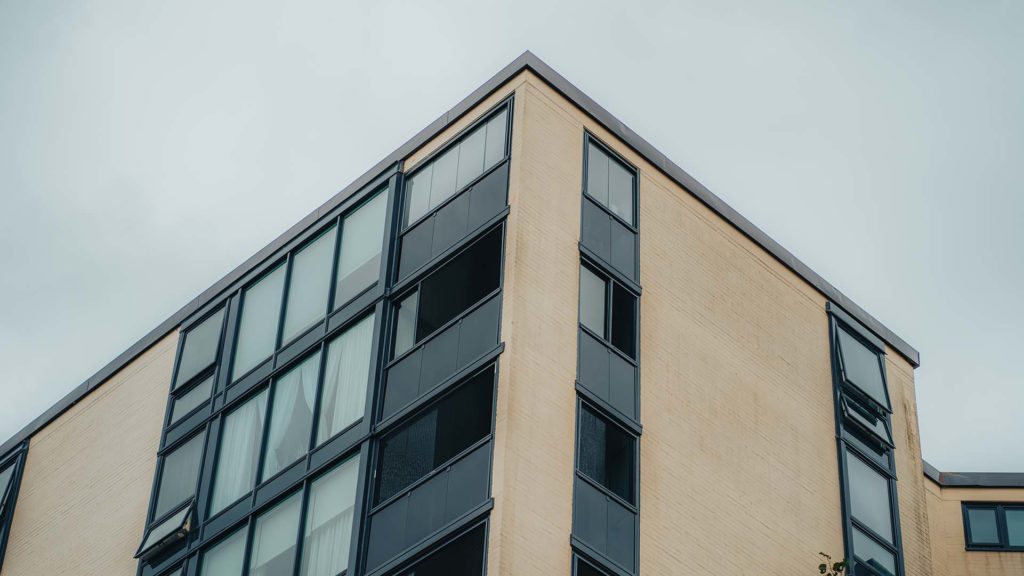
Thinking at the Portfolio Level
For owners managing multiple residential properties, balcony planning can become even more complex.
Different buildings may have different ages, construction methods, exposure conditions and repair histories. A portfolio-level approach can help owners move from individual repair decisions toward a more structured asset management strategy.
When evaluating glazing systems, property managers should also consider long-term serviceability. Access to replacement components, technical support, and future maintenance services can influence lifecycle costs. Manufacturers with a local presence may be better positioned to support projects throughout the life of the system.
That can include:
- Evaluating balcony condition across multiple properties
- Identifying assets approaching major repair cycles
- Prioritizing properties based on condition and exposure
- Coordinating necessary repair and future protection strategies
- Standardizing assessment criteria across a portfolio
- Planning phased capital investments
- Standardizing balcony enclosure specifications across multiple properties where appropriate
- Assessing engineering documentation and project support requirements
- Evaluating replacement-parts availability, manufacturer service support, and long-term serviceability
For portfolio owners, consistency can be just as important as individual project performance. Working with manufacturers that provide documented engineering support, established service processes, and long-term product availability may help simplify asset planning across multiple properties.
The objective is not necessarily to treat every building the same. It is to create a repeatable framework for determining where intervention, repair, or protection should be considered.
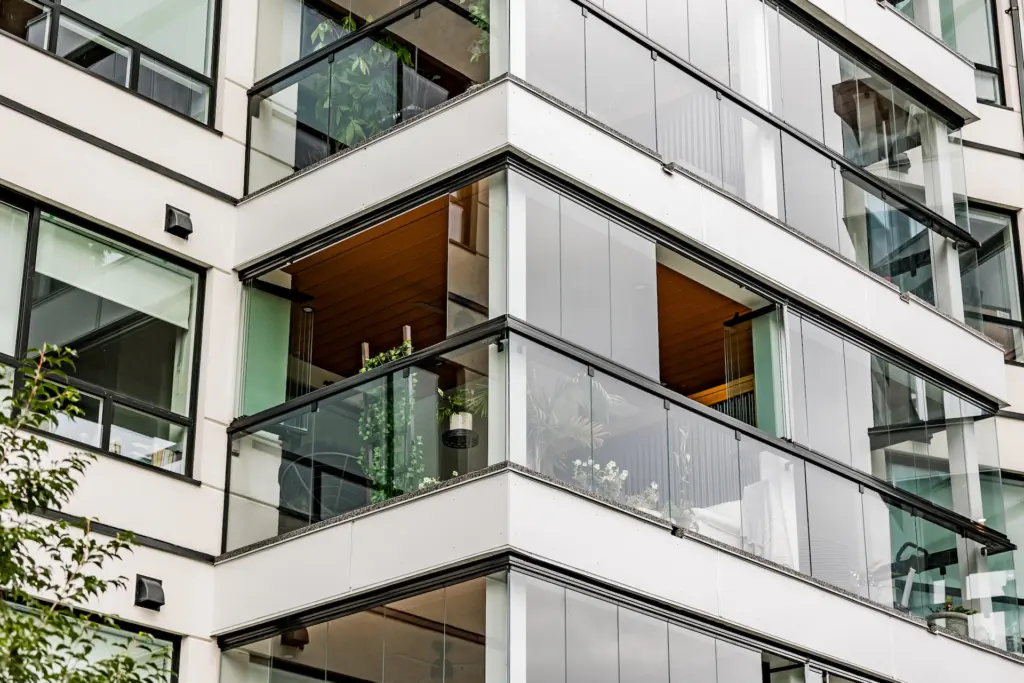
Protect More. Renovate Less.
Deferred maintenance is not always a savings strategy.
Allowing deterioration to progress can increase future repair needs and make capital planning less predictable. The challenge for property managers is identifying where necessary repairs should happen today and where proactive protection may help manage future exposure.
Balconies deserve to be part of that conversation.
The goal is not simply to maintain them until the next repair cycle. It is to consider how each balcony asset can be managed over the long term.
Planning a balcony repair or renewal project? Talk to Lumon about whether balcony glazing could form part of your building’s long-term protection strategy.
FAQs
-

A Developer’s Guide to Retrofitting Aging Condos
Read more…Canada’s aging condo towers are hitting a turning point: the envelope, not the floor plan, now drives renovation decisions. Rather than a burden, façade modernization is a chance to give buildings more flexibility and control over how they perform and hold value.
-
What Architects Should Know About Outdoor Glass Systems
Read more…Outdoor glass systems are landing in briefs faster than most practices have developed a spec position on them. Clients are increasingly seeking year-round outdoor usability, while developers see enclosed outdoor spaces as a way to differentiate projects. These requirements are now being raised during schematic design, and that’s exactly when you can’t afford to wing it.
-
What Does the Future of Balconies Look Like?
Read more…Few architectural features have as culturally rich a history as the balcony; it’s a platform for emperors and popes, a stage for Shakespeare, a lifeline during pandemic lockdowns, and an unused slab of concrete gathering leaves at the back of an apartment.