

What Factors into the Cost of Balcony Glazing?
Knowing what drives balcony glazing costs puts you in a better position.
Balcony glazing has moved from premium feature to key differentiator in multi-residential design. Whether planning a condo tower or purpose-built rental, it can elevate project value, drive faster sell-through, and improve long-term building performance.
Like most architectural features, balcony glazing costs vary depending on the project. There’s no one-size-fits-all number—but there are clear patterns developers can use when budgeting.
In this article, we’ll walk through the key cost factors, the value balcony glazing delivers, and what’s included in a Lumon quote. If you’re exploring options beyond a traditional railing system, this guide will help frame the conversation (no pun intended).
Key Cost Factors for Balcony Glazing
Balcony glazing isn’t just a design feature—it’s a building envelope component. That means costs are shaped by performance, layout, and logistics. Here’s what typically impacts price:
- Balcony Dimensions and Layout: Long, continuous balconies, L-shaped corners, or curved glass panels increase both material and installation complexity. More glass means more system components, more detailing, and more coordination.
- Floor Count and Building Height: Tall buildings bring added requirements—especially around wind load testing, anchoring methods, and site access. These factors can influence both engineering and installation costs.
- Project Size: The more units are included in the project, the more efficient the manufacturing and installation process becomes. Bulk orders reduce per-balcony cost and streamline delivery.
- Construction Stage and Timeline: Including balcony glazing during base building construction allows for better coordination with railing systems, waterproofing, and access. Retrofitting post-occupancy—or installing after railing—is possible, but may involve additional costs related to site logistics, mobilization, or resident coordination.
- New Build vs. Retrofit: New buildings allow for cleaner integration into the building envelope. Retrofit projects—including conversions or post-construction installs—may require added planning and prep work, particularly if structure or access is limited.

The Value of Balcony Glazing
While balcony glazing comes with a clear cost, it also delivers measurable value—both to the developer and to the homeowner For many of our clients, it’s an investment that pays off in multiple ways:
- Perceived Value and Sell-Through Rates: Glazed balconies offer protected outdoor space that feels like an extension of the home. This helps increase unit appeal, especially in urban markets where square footage is at a premium. In the presale environment, it’s a differentiator that stands out.
- Higher Revenue for Purpose-Built Rentals: For rentals, balcony glazing can directly impact revenue. Enclosed balconies create a semi-interior space that feels like a den or sunroom—giving property owners the ability to command higher rents and improve tenant satisfaction.
- Reduced Maintenance on Exposed Balconies: By keeping rain, snow, and debris off the balcony slab, glazing systems help preserve finishes and reduce the need for frequent cleaning or waterproofing. That means lower long-term operating costs for strata or building management.
- Improved Energy Performance and Comfort: Glazing acts as a secondary envelope—trapping heat in the winter, deflecting wind, and creating a buffer zone. It supports the energy efficiency goals of high-performance buildings and can help projects meet TEDI or GHGI targets more easily.
What’s Included in a Lumon Glazing Package?
Our pricing includes more than panels and brackets. We support your project with a full-service approach:
- Design Consultation: We work with your architects and consultants to ensure the system integrates with your facade strategy, structural requirements, and waterproofing details.
- Engineering and Wind Load Testing (If required): For taller buildings or exposed sites, we conduct wind load testing and provide certified engineering documentation to ensure safety and code compliance.
- Code Compliance: Lumon systems meet Canadian building code requirements and local zoning conditions. We take responsibility for ensuring the product is compliant and review it with your team during design.
- Premium Materials: We use tempered safety glass and durable aluminum framing systems designed for long-term exterior use in Canadian conditions. All finishes are tested for durability and aesthetics.
Each balcony is measured after slab and railing installation (or earlier, if railing is provided by Lumon). We fabricate systems to match exact as-built conditions, ensuring a precise fit.
Our professional sales installation teams are trained on Lumon systems exclusively. They understand the sequence, structure, and site coordination required to keep your schedule on track.

Is Lumon a Fit for Your Next Project?
Balcony glazing is a long-term investment in building quality, resident experience, and market appeal. While the upfront cost is higher than a standard railing, the payoff comes in unit value, lower maintenance, and a better-performing building.
If you’re exploring the option of glazing for a future project, we’d be happy to provide an early-stage estimate—or help with product strategy during design development.
Reach out to our Professional team to see how our balcony glazing systems can support your next multi-residential project.
-
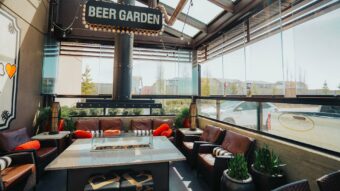
Patio Covers vs. Retractable Glazing for Hospitality
Read more…Your patio generates revenue, but only when guests are actually sitting in it. A short patio season can mean only four or five months of active use, while the space continues to incur operating costs throughout the year.
-

A Developer’s Guide to Retrofitting Aging Condos
Read more…Canada’s aging condo towers are hitting a turning point: the envelope, not the floor plan, now drives renovation decisions. Rather than a burden, façade modernization is a chance to give buildings more flexibility and control over how they perform and hold value.
-
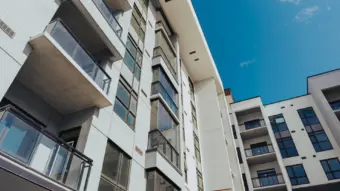
What Architects Should Know About Outdoor Glass Systems
Read more…Outdoor glass systems are landing in briefs faster than most practices have developed a spec position on them. Clients are increasingly seeking year-round outdoor usability, while developers see enclosed outdoor spaces as a way to differentiate projects. These requirements are now being raised during schematic design, and that’s exactly when you can’t afford to wing it.