Solariums vs Sunrooms: A Canadian Homeowner Guide
Choosing between a solarium or a sunroom is hard when nobody explains the difference.
If you’ve been researching ways to get more out of your outdoor space, you’ve probably come across both the terms solarium and sunroom used interchangeably.
They’re discussed in showrooms, on contractor websites, and in renovation forums, but they’re not the same thing. The biggest difference comes down to one key structural element: the roof. Once you’re clear about that, everything else falls into place.
What Is a Sunroom?
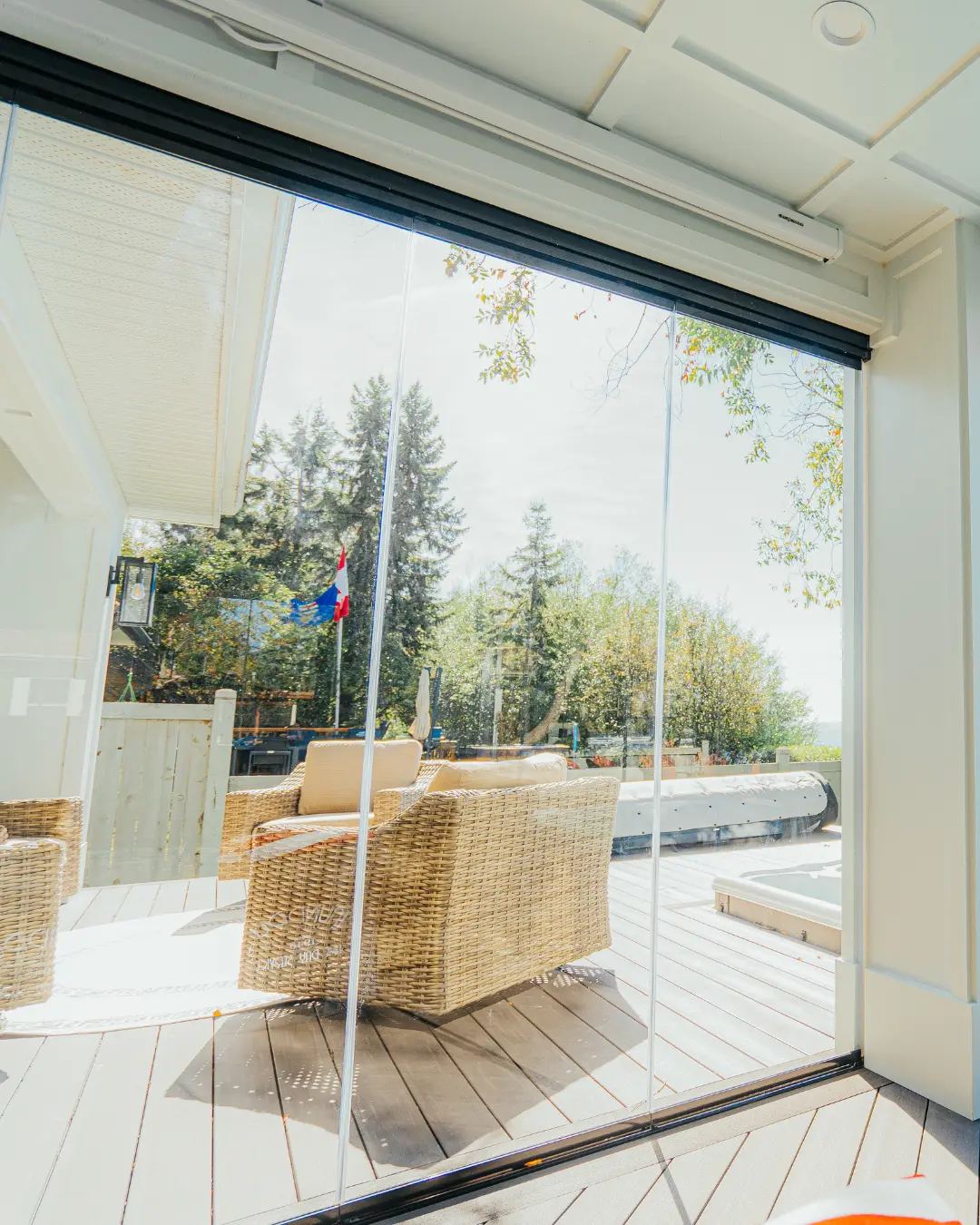
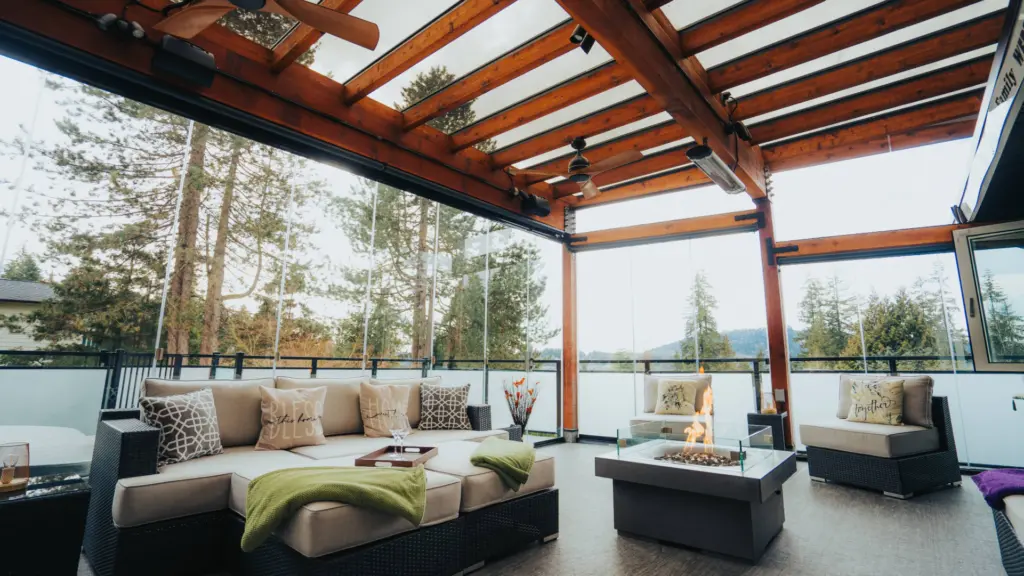
A sunroom is a glass-walled space built beneath a solid roof. In many cases, it starts with something you already have, such a covered balcony, a roofed patio, or a pergola, and takes shape when you enclose the open sides with glazing panels.
The result feels like an indoor-outdoor room. You’re shielded from wind and rain while remaining connected to the outdoors.
The solid roof plays an important role in helping protect the space from rain and snow while reducing direct solar gain compared to a fully glazed roof.
A sunroom is the right fit for homeowners with an existing covered outdoor space who want to enclose it, extend it, and actually use it.
What Is a Solarium?
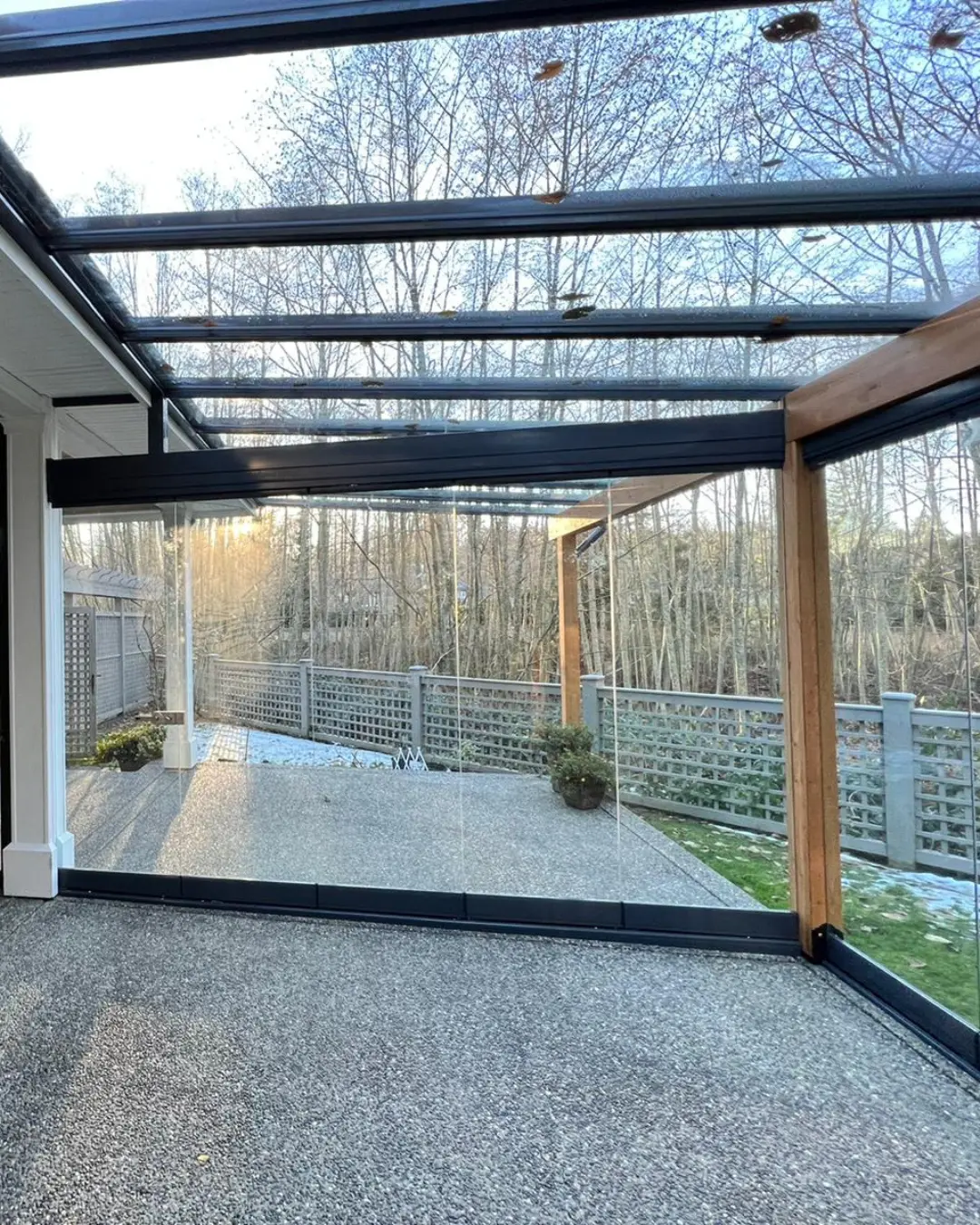
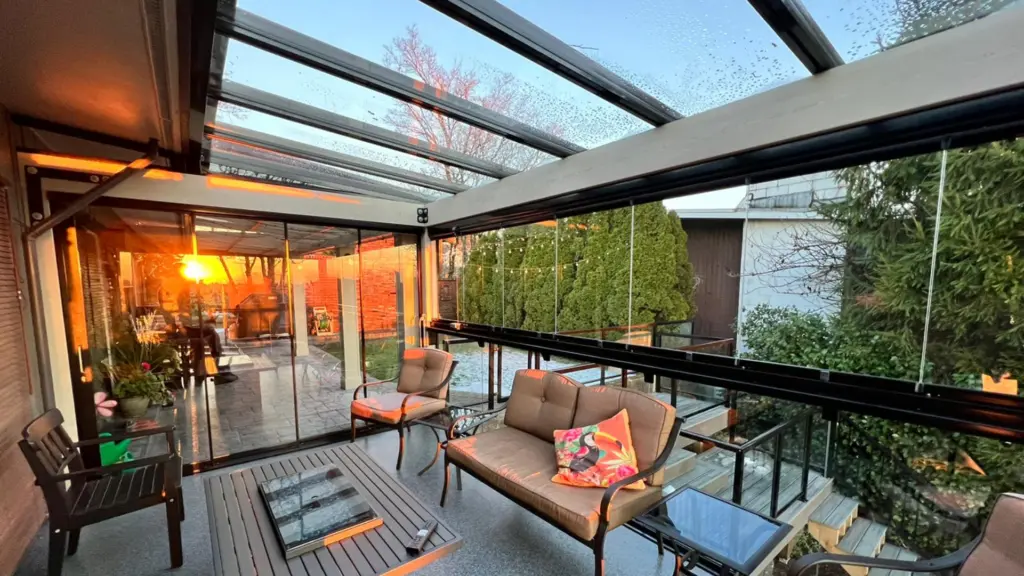
A solarium goes further. Where a sunroom has a solid roof, a solarium is fully glazed, with glass walls and a glass roof, built to flood the space with natural light from every direction. The sky is always visible overhead. It feels less like a room and more like a garden pavilion: bright, open, immersive.
Because the roof is glass, solariums are more exposed to temperature shifts than sunrooms. They warm up fast on sunny days and cool down faster once temperatures drop. This design creates an immersive outdoor experience while maximizing natural daylight throughout the space. You’re more present in the light and the season around you.
For most Canadian climates, solariums are typically most comfortable from spring through fall, although actual performance depends on glazing specifications, ventilation, orientation, and local climate.
A solarium is the right fit for homeowners who want maximum natural light and a greenhouse-like sense of being inside and outside at once.
Key Differences Between Solariums and Sunrooms
|
|
Sunroom |
Solarium |
|
Glass Coverage |
Walls Only |
Walls and Roof |
|
Seasonality |
Extended shoulder seasons |
Spring through fall |
|
Typical Use |
Creating a sheltered outdoor living space with added comfort and weather protection |
Maximizing natural light and enjoying panoramic outdoor views |
|
Structural Requirements |
Existing solid roof needed |
Glazed or polycarbonate roof required |
|
Cost Range |
Varies by glazing system |
Varies; roof scope adds to overall cost |
|
Aesthetic |
Sheltered, room-like |
Open, light-filled pavilion feel |
|
Flexibility |
High with retractable glazing |
High with retractable glazing |
Want a space that feels like a room with a view? A sunroom. Want to feel like you’re sitting inside a column of light? A solarium.
Both deliver more outdoor living; it’s the roof that separates them.
How Retractable Glazing Works in Both
This is where a retractable glazing system changes how both spaces function.
In a sunroom, glazing panels enclose the open sides of a covered balcony or patio. On a warm July afternoon, you slide them open. When October arrives and the wind picks up, you close them and stay comfortable for weeks longer than you would otherwise. The space works with the season rather than fighting it.
In a solarium, glazing wraps a fully open structure, paired with a glass or polycarbonate roof overhead. The same flexibility applies here: open for a breeze on a warm evening, closed when you want the shelter.
What separates a retractable system from a traditional fixed installation is that the space never feels like a permanent commitment to one version of itself. Unlike fixed glazing systems, retractable glazing lets you open or fully enclose the space depending on the weather, season, or how you want to use it. That adaptability is precisely what makes retractable glazing a different category from a conventional built-in sunroom addition.
How Each Performs in Canadian Climates
Canada’s shoulder seasons are some of the best outdoor living months of the year: bright, mild, and largely wasted if your only options are a screened porch or a fully open balcony.
For sunrooms, the solid roof provides real thermal buffering. Heat stays longer overhead; precipitation stays out entirely, and comfortable use extends well into the cooler months. Whether you’re in Moncton or Montreal, a glazed sunroom on a covered balcony can help extend outdoor living well into Canada’s shoulder seasons.
For solariums, the all-glass envelope means more heat gain on sunny days and faster heat loss once temperatures drop at night. Spring through fall is a sweet spot. Depending on the region, glazing specifications, and exposure, many homeowners can enjoy significantly longer outdoor seasons than an unenclosed balcony or patio.
On the question of 4-season rooms: fully heated, sealed glass enclosures exist, but they come with significantly higher costs, more complex structural requirements, and a level of engineering that most Canadian homeowners don’t need. A well-built 3-season setup delivers more value with considerably less complexity.
Which One Is Right for Your Home?
The goal is the same for both: more months outside, more value from a space you already have. Where you start depends on what that space looks like.
Covered balcony, roofed patio, or pergola? Sunroom glazing is a natural fit. The structure is already there. You’re enclosing what already exists and making better use of your outdoor space.
Open balcony or exposed terrace? A solarium setup with a glazed or polycarbonate roof gives you the enclosure you need while keeping the light and openness that make outdoor spaces worth having.
Either way, the right system depends on your building, your orientation, and how you want to use the space. A professional site assessment can help determine the best glazing configuration based on your building, exposure to sun and wind, and intended use.
Book a consultation with Lumon Canada and find out which glazing system fits your outdoor space or explore our projects to see what’s possible.