Your Most Asked Questions About Glazing
You’re not the only one with questions about glazing.
Quick overview
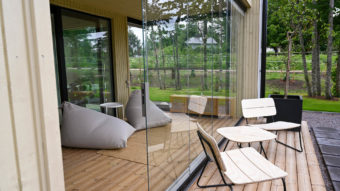
Lumon glazing is a retractable, single-glazed tempered-glass system designed to make balconies, patios, and sunrooms more comfortable while maintaining their outdoor character. It allows natural ventilation while helping reduce wind exposure and improve comfort. Installation typically takes 1–2 days, while project cost and permit requirements vary depending on the size, layout, and location of the installation.
You’ve seen glazing in homes, high-rises, and storefronts—shaping how light, space, and views interact. Today, it’s a key element in modern design, enhancing comfort, performance, and aesthetics while transforming ordinary spaces.
Here at Lumon Canada, we consider glazing an art that merges beauty and practicality. But what does glazing mean? It’s a straightforward question that deserves a clear and comprehensive answer. If you’ve been curious about glazing and want to know how it can redefine your outdoor living experience, you’re in the right place. In this article, we answer the most common questions and help you understand what makes glazing such a valuable part of modern home design.
What is glazing?
So, what is a glazed window? In general, glazing refers to the process of applying a thin, glass-like layer to a surface, often for protection or enhanced visual appeal. It’s most often associated with windows, doors, and other architectural features, where the term glazing is used to describe the glass panes installed in a frame.
The purpose of glazing often revolves around improving durability, energy efficiency, and appearance, depending on the specific application. From letting natural light flood a room to creating a smooth, polished surface, glazing plays a substantial role across many industries.
How much does a Lumon glazed balcony or sunroom cost?
The cost for a Lumon glazed balcony or sunroom depends on factors like size, layout, and the installation method. Each project is customized to fit your space and requirements. For an accurate estimate, we recommend reaching out to us for a consultation.
Is Lumon glazing fully sealed? Can moisture still get in?
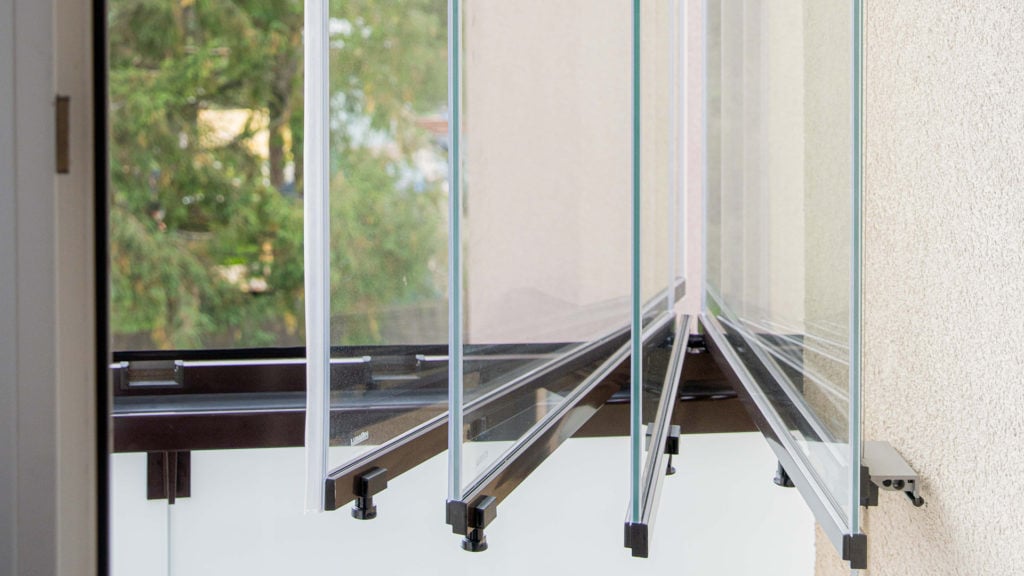
Lumon glazing systems are ventilated by design. A small 2-3 mm gap between each panel allows airflow to prevent condensation and keep the structure dry. It also preserves the true outdoor feel of the space. While the system protects against wind and rain, it is not fully airtight. This ventilation helps maintain the integrity of the space and reduces the chance of moisture buildup over time.

What type of glass does Lumon use?
Lumon glazing systems use single-glazed tempered glass that has been rigorously tested for durability and safety to meet strict building codes. The glass can withstand substantial wind loads and extreme temperatures, making it ideal for outdoor spaces like balconies and sunrooms.
Does glazing count as indoor living space for building codes?
Lumon glazing generally does not affect FSR (Floor Space Ratio) calculations as it primarily functions as an outdoor enclosure. We recommend confirming specific details with your local Lumon representative and building authorities to ensure compliance with regulations in your area.

Will it feel warmer in cold or windy conditions?
With Lumon glazed systems, you can expect a noticeable improvement in comfort. The structure reduces wind chill and retains warmth effectively, making balconies and sunrooms feel significantly cozier during cooler seasons
How long does installation take?
Installation for most projects is completed in 1-2 days. On rare occasions, larger or more complex projects may take a little longer, but our team works efficiently to minimize disruption without sacrificing quality.

Is a building permit required?
A permit is typically required, but this varies by location and the nature of the project. Our team can guide you through the process and provide any relevant technical details to simplify this step.
Do glazed panels lock?
Yes, our glazing systems feature sturdy locking mechanisms for security and peace of mind. Whether it’s a balcony enclosure or a glazed panel door, safety features are an essential part of our design.

Can I use a heater inside?
Absolutely. Many customers use small heaters in their enclosed spaces for additional comfort during colder months. This enhances the usability of your space year-round, making it a valuable extension of your home.
How do I maintain or clean my Lumon system?
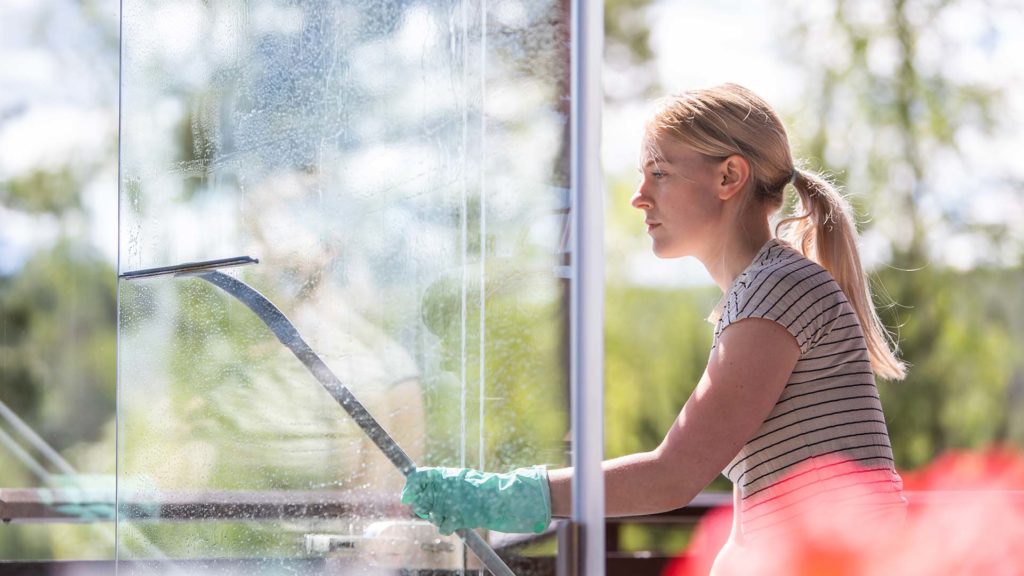
Cleaning Lumon glazed glass panels is simple! Our systems are designed for easy maintenance, allowing you to slide and clean each panel with little effort. Warm water, mild soap, and a soft cloth are all that’s needed for regular upkeep.
Is there a warranty, and can I get replacement parts?
Yes, Lumon glazing comes with a warranty, and replacement parts are available. We offer a five-year warranty on materials and a two-year warranty on installation labour. If replacement parts or repairs are needed, you can contact your local Lumon design consultant directly for support and assistance. We are committed to keeping your system functional and enjoyable for the long haul and providing our customers with long-term service and reliable components to support that vision.

Let’s Talk About Your Space
Outdoor living has come a long way from basic patios and porches. Today, homeowners are exploring smarter ways to connect indoor comfort with outdoor views. Lumon Canada offers glazing systems that do exactly that – with custom options that match your layout, style, and goals.
Discover how your home can benefit from our innovative solutions. Contact us today to speak with a Lumon design consultant and claim your free quote on a new Lumon glazing system for your home.
-
Vancouver joins other British Columbia municipalities promoting more usable balconies year-round
Read more… -
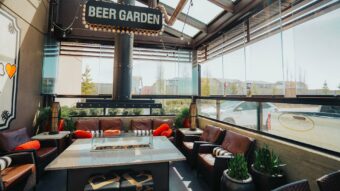
Patio Covers vs. Retractable Glazing for Hospitality
Read more…Your patio generates revenue, but only when guests are actually sitting in it. A short patio season can mean only four or five months of active use, while the space continues to incur operating costs throughout the year.
-