
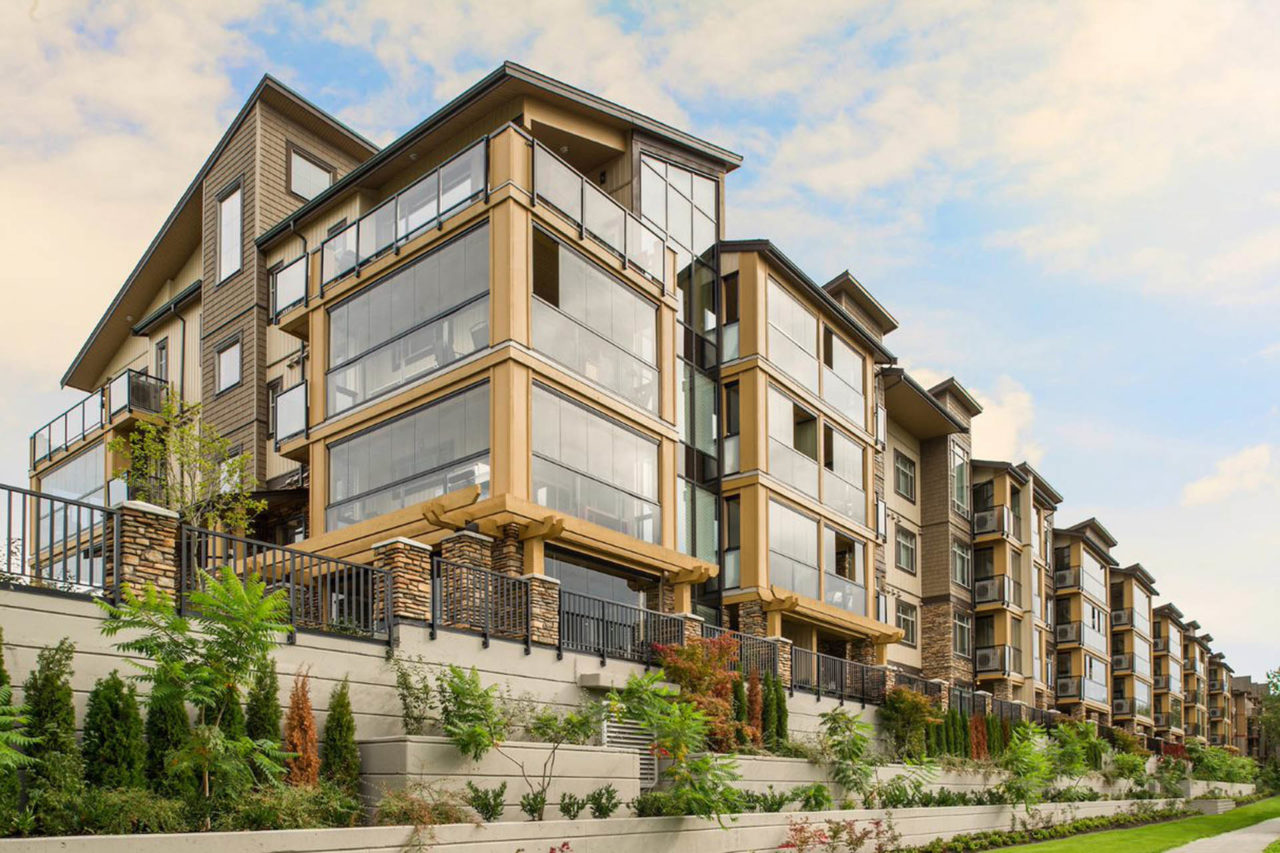
How Biophilic Design Elevates Condo Living
If your project feels disconnected from nature, biophilic design can fix that.
Today’s condo buyers want more than just a place to live—they’re after a complete lifestyle experience that puts their well-being first and offers a genuine escape from the stress and chaos of daily life. Developments that deliver this stand out fast.
Well-Being Is Now a Core Expectation
Well-being has become an integral part of the prime condominium community experience, with developers and property managers expanding their focus beyond interior design to embrace the entire property, including balconies and terraces, with a significant emphasis on well-being.
To cater to the evolving desires of condo buyers and owners, developers and property managers must adapt.
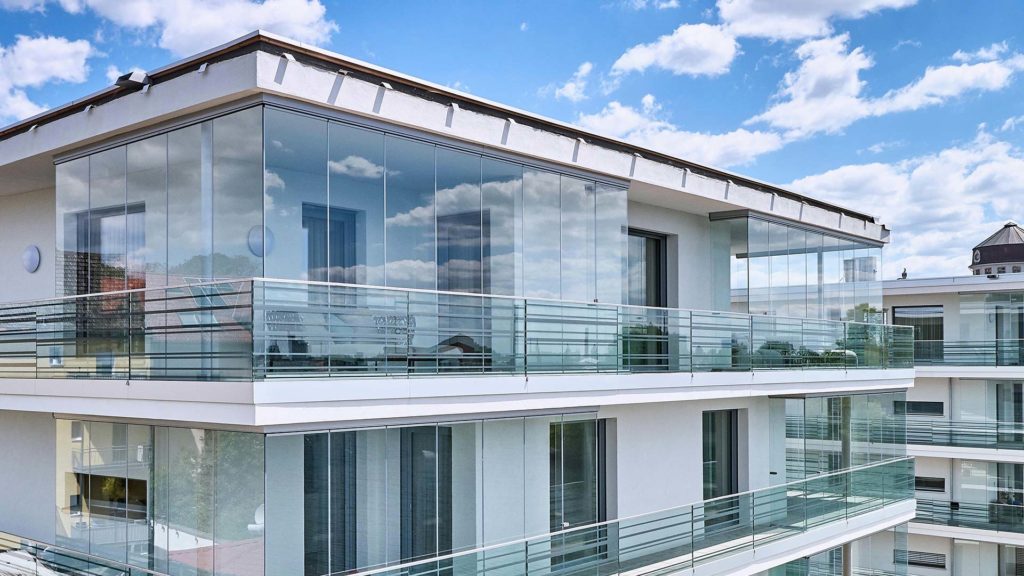
What Is Biophilic Design?
Biophilic design, integrating elements of nature into the built environment, is the ideal solution. By following biophilic design principles, developers can create premium residential condominium communities that not only meet market expectations but also differentiate themselves from the competition.
The essence of biophilic design captures the refreshing feeling one experiences after a rejuvenating walk in nature, replicating it in the built environment. It taps into the innate human attraction and love for nature, creating a strong emotional connection. By incorporating natural materials, landscapes, lighting, and technology, developers can connect with the outdoors and provide spaces for relaxation and rejuvenation.
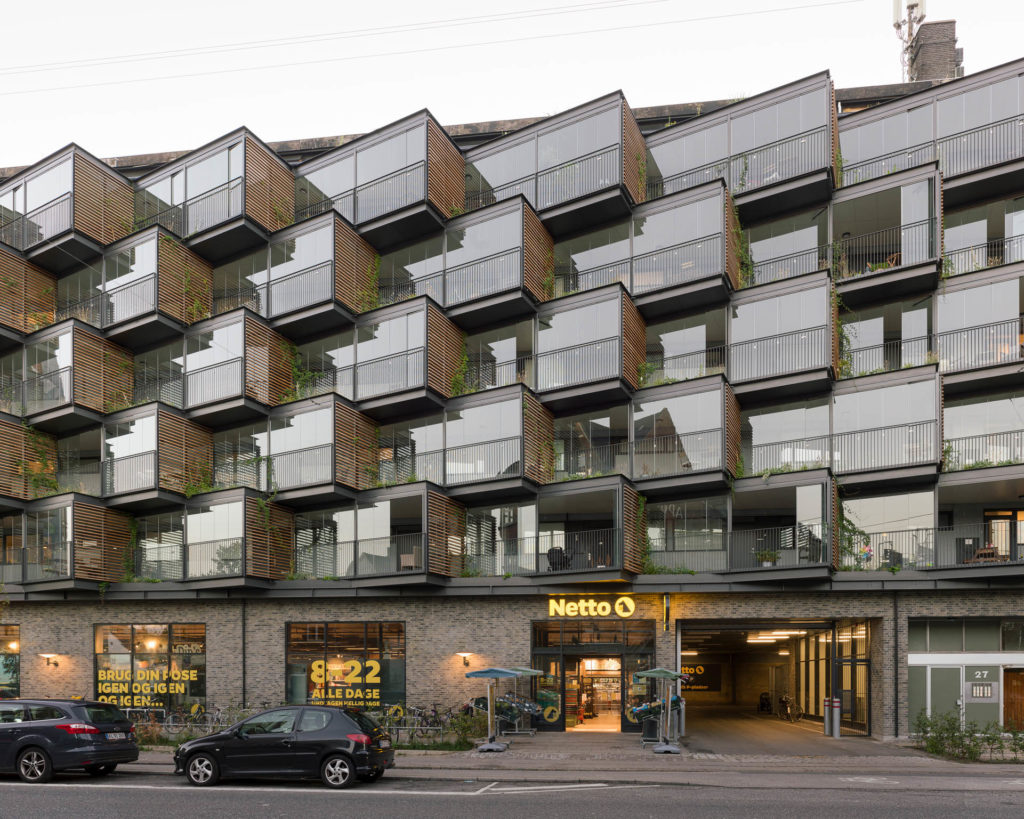
The Benefits of Bringing Nature Indoors (and Onto the Balcony)
Research shows that biophilic design improves air quality, reduces stress, and enhances overall well-being. Developers can transform balconies and terraces into tranquil oases that seamlessly blend indoor and outdoor living. Elements like container plants, trees, shrubs, flowers, and green walls enhance visual appeal, purify the air, and mitigate noise, creating a fresh and inviting atmosphere. Organic shapes, curved lines, and natural furnishings elevate the space’s biophilic experience, adding balance and flow.
Sustainability is another critical aspect of biophilic design. Using eco-friendly materials like recycled wood, locally sourced stones, and low-weight compost soil reduces the environmental impact. Opting for Forest Stewardship Council-certified woods ensures responsible sourcing. Additionally, choosing non-toxic products for common areas contributes to homeowner well-being and planet health.
Sustainability as a Design Principle
Considering the local environment is crucial for creating an authentic and distinctive experience. Embracing elements of the surrounding landscape and culture establishes a stronger connection to nature. Incorporating native plant species adds richness and a sense of belonging to the condominium community.
Technology plays a significant role in enhancing the biophilic experience. Ambient lighting and sound systems replicate nature’s warmth and sounds, allowing homeowners to immerse themselves in a peaceful atmosphere. Techno biophilia, using technology to emulate life-like processes found in nature, provides a unique and unforgettable experience.
Smart Investments for Developers and Property Managers
Biophilic design is not just a passing trend—it is here to stay. Condominium developers who embrace this design approach will make their communities attractive to condo buyers, monetize their balconies and terraces, increase sales velocity, and differentiate themselves from the competition.
Property Managers overseeing premium condominium communities can significantly increase investment value by encouraging biophilic design upgrades. By prioritizing well-being and incorporating nature into the built environment, developers and property managers create premium residential communities that offer an all-encompassing lifestyle experience, fulfilling the desires of discerning buyers and residents.
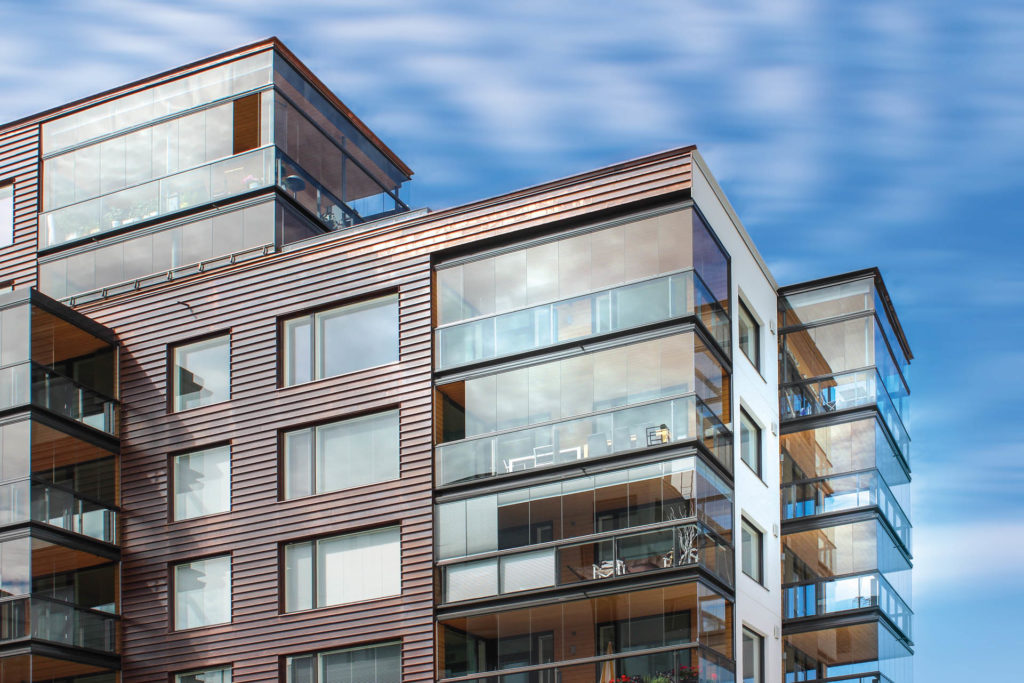
Design With Nature in Mind
The future of condominium development harmoniously blends technology comforts with nature’s soothing embrace. It’s time to design with nature in mind and prioritize the well-being of condo buyers and owners.
Read more PRO Blogs
-

Patio Covers vs. Retractable Glazing for Hospitality
Read more…Your patio generates revenue, but only when guests are actually sitting in it. A short patio season can mean only four or five months of active use, while the space continues to incur operating costs throughout the year.
-

A Developer’s Guide to Retrofitting Aging Condos
Read more…Canada’s aging condo towers are hitting a turning point: the envelope, not the floor plan, now drives renovation decisions. Rather than a burden, façade modernization is a chance to give buildings more flexibility and control over how they perform and hold value.
-

What Architects Should Know About Outdoor Glass Systems
Read more…Outdoor glass systems are landing in briefs faster than most practices have developed a spec position on them. Clients are increasingly seeking year-round outdoor usability, while developers see enclosed outdoor spaces as a way to differentiate projects. These requirements are now being raised during schematic design, and that’s exactly when you can’t afford to wing it.