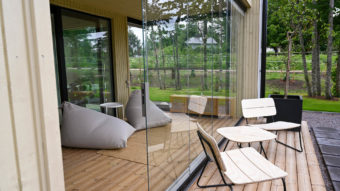
The Best Roof Systems for Glass Enclosures
A glass enclosure is only as good as the roof system above it.
Quick overview
There is no single best roof solution for different types of glass enclosures. Cantilevered roofs maximize views and create a modern look, integrated slab extensions work well for new builds, lightweight aluminum or steel roofs are versatile for retrofits, and glass roofs maximize natural light. The right choice depends on your home’s structure, climate, drainage, insulation needs, budget, and the weight the roof must support.
Adding a glass enclosure or sunroom is one of the best ways to bring in natural light and extend your living space—but the roof matters just as much as the glass. It affects how the space looks, feels through the seasons, and how much upkeep it needs.
The Best Roof Systems for Lumon’s Glass Enclosures
In this guide, we’ll break down the most popular roof systems for glass enclosures, their pros and cons, and which type of home they usually work best for.
Cantilevered Roofs
Homeowners who want a modern look with maximum views and who don’t mind investing a little more if it means having a striking design.

Strengths
Cantilevered roofs are sleek and modern. Instead of relying on posts or columns, the roof is supported by the structure of your house, which makes it appear like it’s floating over your sunroom. It’s a clean look that pairs beautifully with frameless glass walls, giving you the widest views possible.

Considerations
This style requires stronger support inside the house walls, which can make it a more expensive option. Lumon’s retractable glazing systems are top-hung, and can add a significant amount of weight to the cantilever. Keep this in mind, as it’s not always the best fit if your home’s structure can’t handle the extra engineering.
Integrated Slab Extensions
Great for new builds or big renovations where you want your sunroom to feel like a natural extension of your home—not an “add-on.”
Strengths
With this option, the roof of your sunroom is literally part of your house.
Builders extend your home’s existing concrete structure outward to cover the enclosure. Because it’s part of the main building, it feels solid, permanent, and built-in from day one. It’s also incredibly sturdy—able to handle heavy snow loads or strong winds with ease.
Considerations
Because it’s so heavy, this kind of roof usually needs to be planned during the original build or a major renovation. Adding it later can be complicated and costly. Plus, if water drainage isn’t done right, you could see pooling or leaks.
Lightweight Aluminum or Steel Roofs
Perfect for retrofits and additions where you want something durable, attractive, and reasonably cost-effective.
Strengths
This is a very popular option for homeowners because it’s light, versatile, and can often be installed faster than concrete. Aluminum or steel roofs are strong enough to support a sunroom but don’t require the heavy-duty work that slab extensions do. They can be customized in different styles—flat, sloped, or pitched—so they blend nicely with your home’s design.
Considerations
Metal roofs can transfer heat and cold easily, so insulation is important to keep the sunroom comfortable. Another thing to think about: when it rains, the sound of drops hitting a thin roof can be loud, which some people love—but others find distracting.
Glass Roofs
Ideal for homeowners who want a “wow” factor space filled with natural light and who don’t mind investing a bit more in glass that performs well year-round.
Strengths
If your dream sunroom is all about light, a glass roof is hard to beat. It lets in sunshine all day, makes the room feel spacious, and connects you to the outdoors like nothing else. Even on cloudy days, the space feels bright and welcoming. Today’s glass roofs are much more advanced than older versions. Options like tinted or coated glass can reduce glare, filter UV rays, and help regulate the temperature inside.
Considerations
All that light can sometimes mean too much heat in summer or heat loss in winter if you don’t choose the right type of glass. These roofs can also be one of the pricier options, especially if you add shading systems or specialty coatings.
Things Every Homeowner Should Consider
No matter which roof you choose, here are a few factors you’ll want to think through:
- Strength: Can it safely handle the weight of snow, wind, and the glass walls?
- Drainage: Does the roof design allow rainwater to run off without causing leaks or pooling?
- Insulation: How well will it keep the room comfortable in different seasons?
- Climate: Do you live in a place with heavy snow, strong winds, or lots of sun exposure?
- Permits & Codes: Some roof types may require special permits or longer approval times from your city.
Remember: the “best” roof for your glass enclosure really depends on your home and your priorities.
At Lumon, we specialize in helping homeowners create glass enclosures that feel like a natural extension of their homes; beautiful, practical, and built to last. We’re proud to partner with StruXure to provide dealers across the United States and Canada to transform your outdoor space.
Get in touch with Lumon today about an estimate for a glass enclosure in your space!
-
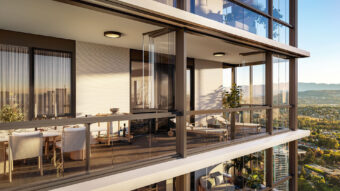
Vancouver joins other British Columbia municipalities promoting more usable balconies year-round
Read more… -
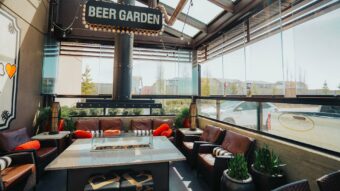
Patio Covers vs. Retractable Glazing for Hospitality
Read more…Your patio generates revenue, but only when guests are actually sitting in it. A short patio season can mean only four or five months of active use, while the space continues to incur operating costs throughout the year.
-