
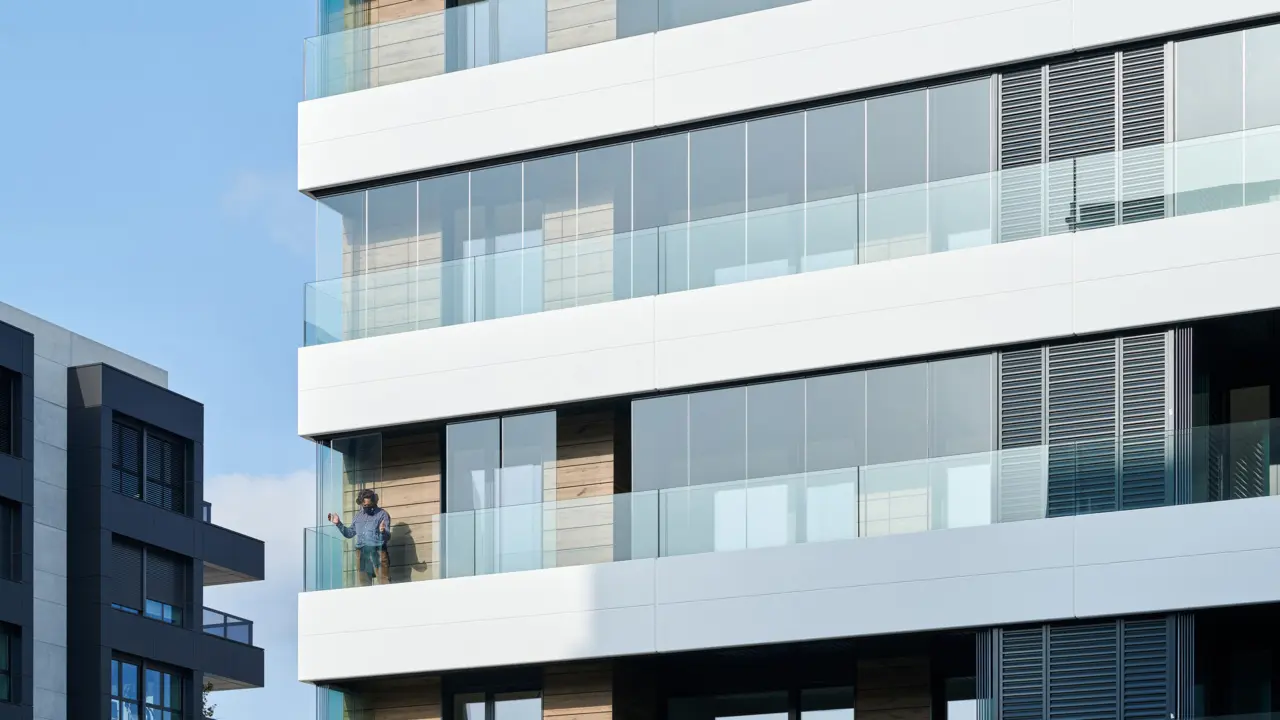
Frameless vs. framed glazing: which is better for balconies and terraces?
Choosing glazing for a balcony or terrace is about much more than glass panels. The right solution changes how the space feels, how often it gets used, and even how the entire home looks from the inside and outside.
For many homeowners, the biggest question is whether to choose frameless or framed glazing. Both options protect outdoor spaces from wind, rain, and dirt, but they create very different experiences when it comes to design, views, light, and everyday living.
So which option is actually better? The answer depends on what matters most to you — modern aesthetics, open views, flexibility, or a more traditional structural appearance. In this guide, we’ll look at the real differences between frameless and framed glazing for balconies and terraces, and why frameless solutions have become increasingly popular in modern homes and apartment buildings.
What is frameless glazing?
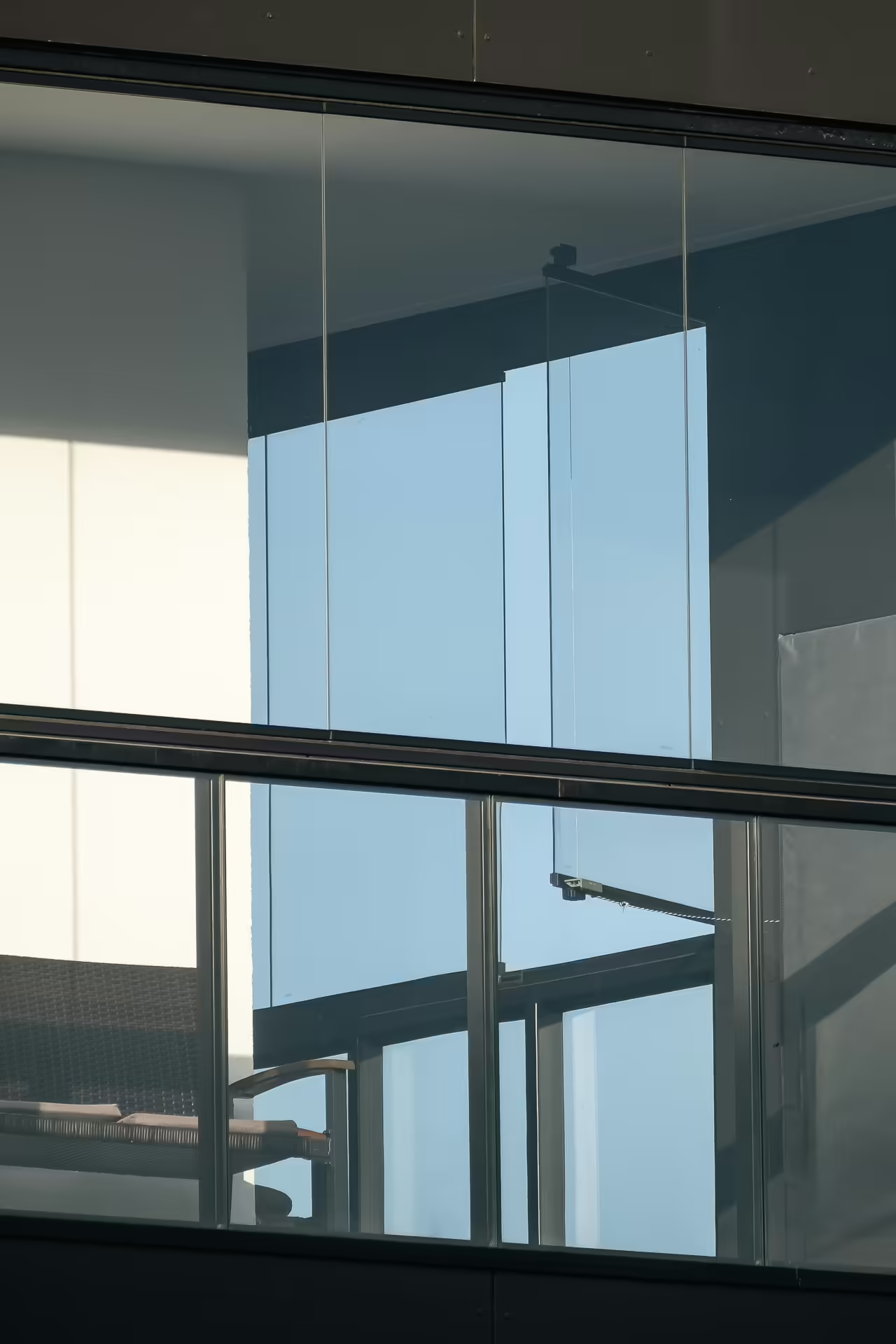
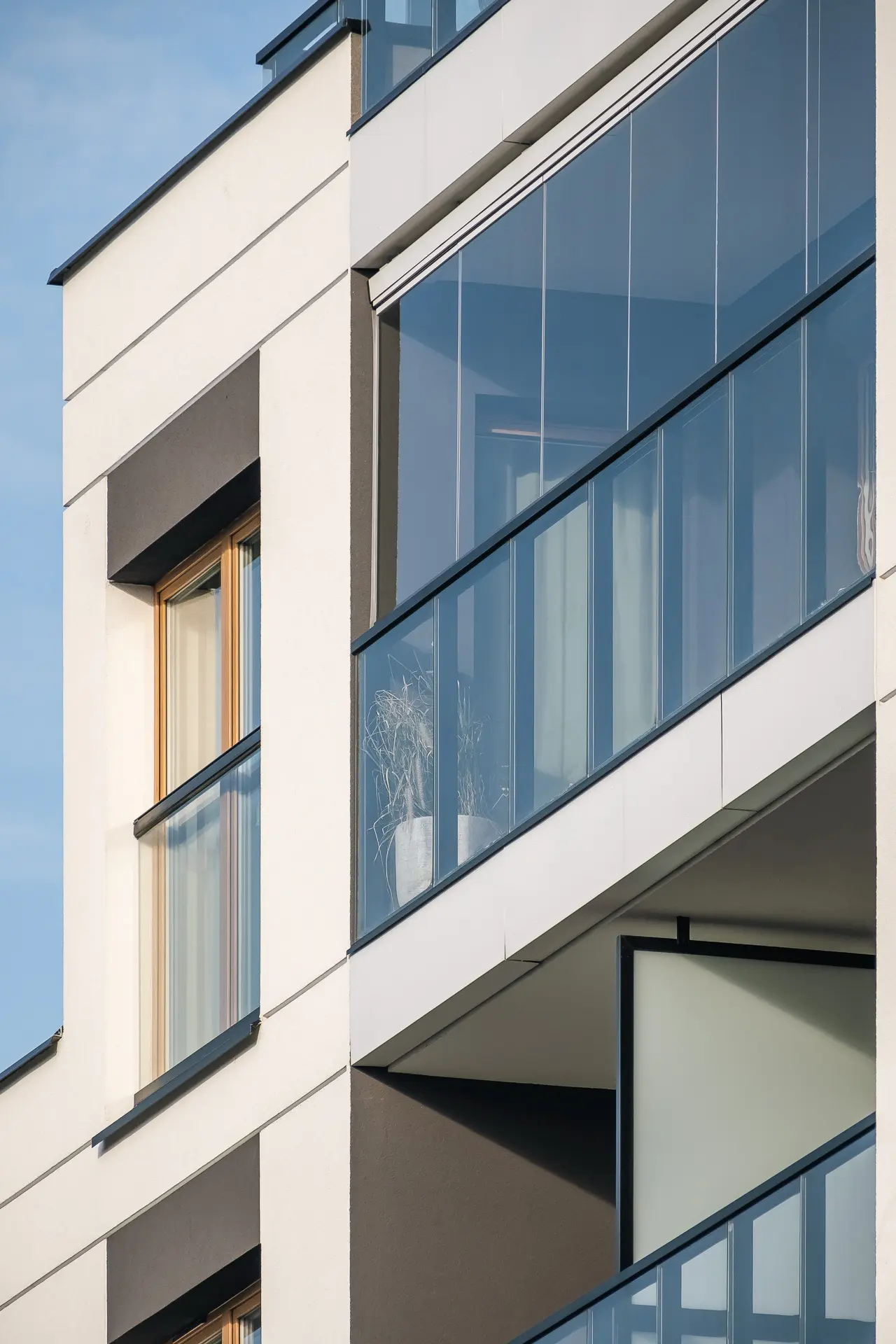
Frameless glazing uses large glass panels without visible vertical frames between the panes. Instead of heavy structural lines interrupting the view, the glass creates a light and almost invisible barrier between indoor and outdoor spaces.
The panels can slide, fold, or retract completely, allowing the balcony or terrace to feel open during warm weather while still offering protection when needed.
This minimalist appearance is one of the biggest reasons frameless glazing has become so popular in Scandinavian and contemporary architecture. It lets natural light flow freely and keeps the focus on the surrounding views rather than the structure itself.
For balconies especially, frameless glazing can completely change the atmosphere of the space. Even smaller balconies feel brighter, larger, and more open.
What is framed glazing?
Framed glazing includes visible vertical profiles between the glass panels. These frames are typically made from aluminum or other structural materials that create a more defined and traditional appearance.
Framed systems are often chosen for projects where visible structure is preferred or where the architectural style already includes strong framing elements.
While framed glazing still provides protection from weather and improves outdoor comfort, the visual experience is different. The frames create more separation between the outdoors and the living space, and they partially interrupt panoramic views.
Some homeowners prefer this more structured look, especially in traditional homes or enclosed terrace spaces.
Why frameless glazing has become so popular?
Over the past decade, frameless balcony and terrace glazing has become the preferred choice in many modern residential projects, and it’s easy to understand why.
People increasingly want outdoor spaces that feel open, flexible, and connected to the surrounding environment. Frameless glazing supports exactly that.
Instead of turning a balcony into a heavy enclosed room, frameless glazing preserves the feeling of being outdoors while adding comfort and protection.
Homeowners often choose frameless glazing because it:
- preserves panoramic views
- maximizes natural light
- creates a spacious and modern feeling
- allows flexible ventilation
- protects against changing weather
- extends balcony and terrace usability across multiple seasons
The difference becomes especially noticeable on apartment balconies, where uninterrupted views and daylight can dramatically improve the overall living experience.
Balconies and terraces are no longer seasonal spaces
One of the biggest shifts in modern housing is how people use outdoor spaces. Balconies and terraces are no longer seen as areas used only during the warmest summer months.
Today, many homeowners want outdoor living spaces that work throughout the year. Places for relaxing, dining, working remotely, or spending time with family and friends even when the weather changes. This is where glazing becomes valuable.
Both framed and frameless glazing help protect balconies and terraces from wind, rain, snow, dust, pollen, leaves, street noise, etc. But frameless glazing does this while maintaining openness and flexibility. The space still feels connected to the outdoors rather than separated from it.
How frameless glazing changes the feeling of a space
The biggest difference between framed and frameless glazing is not always technical; it’s emotional. Frameless glazing changes how a balcony or terrace feels. Without vertical frames blocking the view, the eye moves naturally outward. Natural light flows more freely into the home, and even compact balconies feel larger and calmer.
This is one reason frameless glazing works so well in urban apartment buildings. In cities, views and daylight are valuable, and minimizing visual obstruction can significantly improve comfort. The cleaner appearance also fits modern architectural trends where simplicity, transparency, and minimalism are highly valued.
Comparing frameless, framed, and open balconies
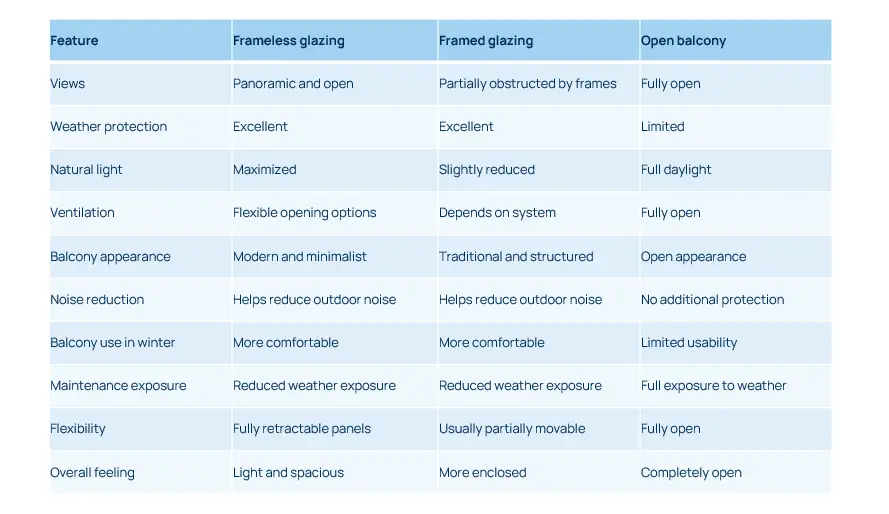
What about noise reduction and weather protection?
Many homeowners first consider glazing because they want better protection from weather and noise.
Both frameless and framed glazing systems can help reduce outside noise by adding an additional protective layer around the balcony or terrace. The level of sound reduction depends on several factors, including the surrounding environment and the glazing structure itself.
Weather protection is another major advantage. Glazing helps reduce rain, wind, dirt, and debris entering the space, making balconies and terraces cleaner and more comfortable throughout the year.
Frameless glazing offers these benefits while still preserving a lighter and more open atmosphere.
Are frameless glazing systems safe?
Yes. Modern frameless glazing systems are designed using durable tempered safety glass and tested according to strict safety standards.
High-quality systems are engineered for demanding weather conditions, long-term use, and smooth everyday operation. When properly installed and maintained, frameless glazing provides a safe and durable solution for both balconies and terraces.

Which option is the right choice?
There is no single answer that fits every project.
Framed glazing may suit homes where:
- a more traditional appearance is preferred
- visible structural framing is desired
- the architecture already includes strong framing elements
Frameless glazing is often the preferred option when homeowners want:
- a modern appearance
- panoramic views
- more daylight
- flexible opening
- minimalist Scandinavian design
- a stronger connection between indoor and outdoor spaces
For many modern balconies and terraces, frameless glazing offers the best balance between protection, functionality, aesthetics, and everyday comfort.
The future of outdoor living
As homes continue to evolve, outdoor spaces are becoming increasingly important parts of everyday living. People want balconies and terraces that are comfortable, adaptable, and visually connected to their surroundings.
That is one reason frameless glazing continues to grow in popularity around the world: It protects outdoor spaces without hiding them. And in many homes, that balance between comfort, openness, and simplicity makes all the difference.
-
Creating more functional urban homes with balcony glazing in Wrocław
Read more…Modern architecture, functional solutions, and resident comfort are values that increasingly define contemporary residential developments. One example of this approach is the Armii Krajowej 7 project developed by i2 Development in Wrocław, Poland, where Lumon balcony glazing systems were installed. Designed by Chamielec Architekci, the project harmoniously combines modern aesthetics with the functionality of urban living.
-

Lumon Annual review 2025: International growth, new strategy and sustainability milestones
Read more…Lumon Group has published its Annual review 2025, highlighting a year of resilience, strategic renewal, and continued international growth despite challenging market conditions.
In 2025, Lumon maintained stable revenue at EUR 159 million while strengthening its position as the global leader in balcony and terrace glazing solutions. Growth was driven particularly by international markets, with Spain continuing its strong development and North America expanding through strategic partnerships and dealer network growth. -

Sterntalerweg Lübeck
Read more…The revitalization of a residential high-rise in the Moisling district of Lübeck shows how existing buildings can be made attractive and economically viable again through targeted interventions. At the core: new loggias with balcony glazing that significantly improve living quality, energy efficiency, and usability.