How to Start and Grow a Sunroom Herb Garden
Starting a sunroom herb garden in your sunroom is easier than you think.
Quick answer
A sunroom, enclosed patio, or balcony can be a great place to grow herbs because it provides abundant natural light while offering more protection from changing weather. Popular choices include cilantro, parsley, mint, oregano, sage, rosemary, thyme, and chives. For the best results, match each plant to the available sunlight, maintain good airflow and drainage, and monitor temperature and humidity as conditions change through the seasons.
At a glance: Sunlight · Airflow · Drainage · Temperature · Humidity
Growing herbs adds flair to your cooking and boosts your wellbeing. Watching plants flourish sparks real accomplishment—plus it’s a wonderful way to explore self-sufficiency and teach your kids how food grows.
If you’re struggling to find space in your home for an herb garden—whether your kitchen’s too crowded or you don’t have an ideal spot—it doesn’t have to hold you back. Why not turn your patio or balcony into a charming little herb haven? Let’s explore how you can make it happen.
But what if your patio or balcony could be transformed into the perfect space for your backyard herb garden? Let’s take a look.
Which plants do the best in sunrooms?
First, let’s go over the dynamics of growing plants in a sunroom. Some plants thrive better than others in a three-season space, so here’s what works best:
- Herbs, strawberries, and various vegetables all flourish in retractable sunrooms! Some popular herbs that grow well in sunrooms include:
- Cilantro
- Parsley
- Mint
- Oregano
- Sage
- Rosemary
- Thyme
- Chives
- Bulbous Plants for Springtime: Brighten up your sunroom with bulbous plants like daffodils. Their soft yellow and pastel tones are perfect for spring, and they’re incredibly low-maintenance. A big pot is all they need to thrive, even in cooler temperatures. Just remember, larger pots help prevent them from drying out!
- Succulents for a Splash of Green: These sturdy plants can handle various temperatures, making them perfect for spring and summer. They’re easy to care for and add a lovely touch of greenery to your space.
When you’re picking plants for your sunroom, it’s good to consider the environment they’ll be exposed to.

What to consider for your herb garden
You may already know the basics—keep delicate plants out of direct sunlight, place flowerpots in shaded areas during midday to protect them and so forth. But, growing plants in an new environment always throws a variable into the mix that can change your outcomes.
Here are some big variables to consider when it comes to growing a sunroom herb garden.
Incorporate lots of sunlight
When you’re picking herbs to grow, research their sunlight needs. Most prefer 6 to 8 hours of direct sunlight, and will need to be placed in the room with the sunlight direction taken into consideration.
- South-facing sunrooms are exposed to strong light all day but may cause heat stress, requiring herbs to be moved back.
- East-facing windows provide gentle morning sun and bright light throughout the day
- Meanwhile, west-facing windows receive afternoon sun that may necessitate repositioning in summer.
- North-facing sunrooms offer minimal direct light, making them better suited for shade-tolerant herbs. If trees or bushes obstruct sunlight, you could always consider artificial lighting to grow your herbs.
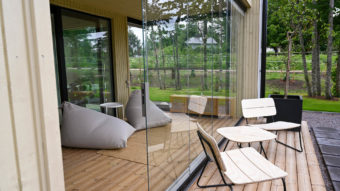
With a glass-enclosed patio or balcony, you can enjoy your outdoor space for so many more months of the year. The glazed area naturally collects solar energy, keeping the space warm and cozy for your plants.
If there’s too much sunlight streaming in, don’t worry. Curtains or blinds can help make sure your herb garden or indoor plants get just the right amount of light.
Keep humidity in mind
Keeping your indoor herbs happy means finding the right balance of humidity and airflow. Aim for anywhere between 50 and 60% when it comes to humidity.
- If the humidity is too low, and their leaves might dry out or turn brown, but a quick misting or a humidifier can help.
- On the other hand, too much humidity can lead to moldy leaves and rotting stems.
If you’re finding the humidity is throwing off how your herbs are growing, a fan or dehumidifier can keep air circulating and the space feeling fresher.
Maintain a just-right temperature
Plants can be temperamental about temperature; the just-right temperature is key to keeping your herb garden happy! Most herbs thrive between 18 and 22°C, similar to typical room temperature. You’ll find as you grow them that they tend to like a particular Goldilocks temperature that is not too hot and not too cold.
- If things get too warm, misting them can help if things get too warm.
- On the other hand, cold temperatures can slow growth or cause damage.
A space heater can be useful—just keep it at a safe distance. Your sunroom will vary in temperature in different spots, so if your plants seem stressed in one area, try moving them to another spot to see if that helps.
Make sure your plants can drain
Your plants want water, but not too much, so drainage is a must to prevent your plants from getting root rot.
- Unsure if your plants need watering? You can use your finger to check—if it’s dry 1-2 inches below the surface, it’s time for a drink.
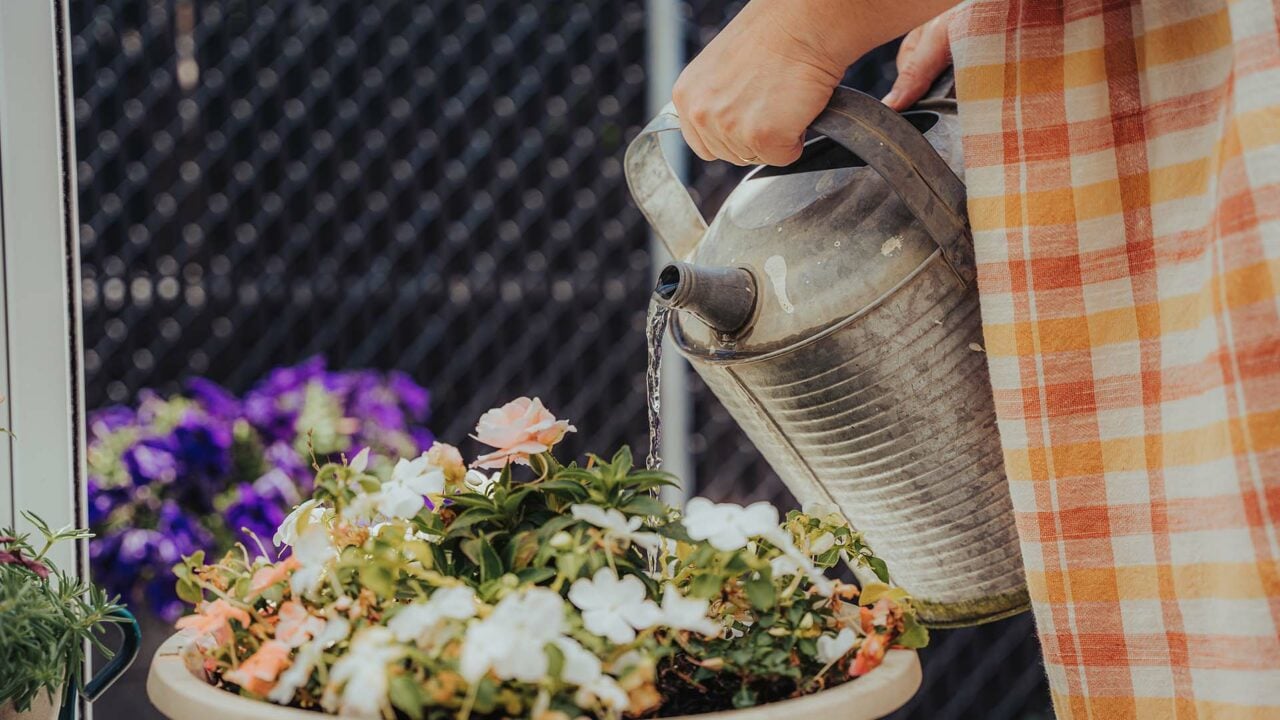
- Slow watering helps the soil absorb moisture properly instead of letting it rush straight through.
- If your pots don’t have holes for draining, you can drill them into the bottom. Just be sure to do so properly by wetting the clay pot before drilling, so it doesn’t crack.
Start growing them early inside
Some plants struggle in harsh northern climates, but pre-growing your seedlings can help them thrive. In fact, spring starts early on an enclosed balcony or patio.
- Start prepping your plants as early as February or March, depending on where you live.
- Strong roots mean your plants will be ready to handle the weather when summer or autumn rolls around.
Of course, herbs are only one of the things that you can grow on the balcony or patio; vegetables and various flowers love the enclosed space as well.
Make your sunroom truly yours
When you think about adding usable space to your home, the first ideas that usually come to mind are building an extension or even moving to a bigger house. But there’s an option that often gets overlooked: enclosing your balcony or patio! Adding retractable glazing to your outdoor space opens up so many possibilities—it can even double as an extra bedroom during the summer months.
Even better, this versatile space is ideal for an indoor garden. With all the sunlight it receives and the ability to keep the glass closed during cool spring or autumn days, you’ll significantly extend your growing season.
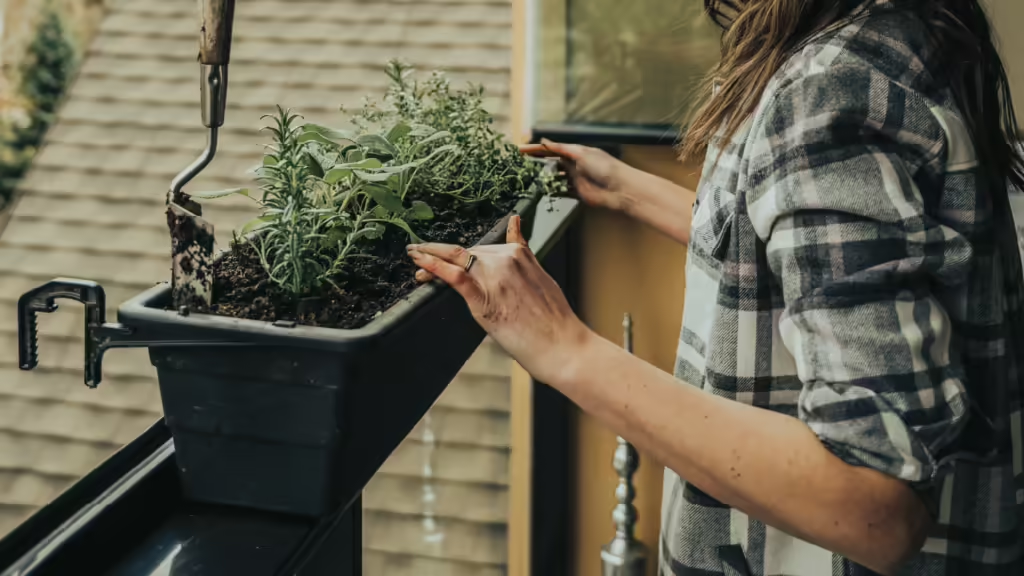
From fresh herbs to decorative plants, an enclosed balcony or patio gives you plenty of room to explore your green thumb and get creative. You can bolster your herb garden with:
- Bulbous Plants for Springtime: Brighten up your sunroom with bulbous plants like daffodils. Their soft yellow and pastel tones are perfect for spring, and they’re incredibly low-maintenance. A big pot is all they need to thrive, even in cooler temperatures. Just remember, larger pots help prevent them from drying out!
- Succulents for a Splash of Green: These sturdy plants can handle various temperatures, making them perfect for spring and summer. They’re easy to care for and add a lovely touch of greenery to your space.
Having an enclosed patio or balcony space is a sustainable solution in more ways than one—read more on how they also help you to save on energy costs.